I wanted a game where you catch your own AI bot. GATE drew and built the whole world.
A world you can walk, GATEMON you can catch, and no code written by me.
Also in: Svenska
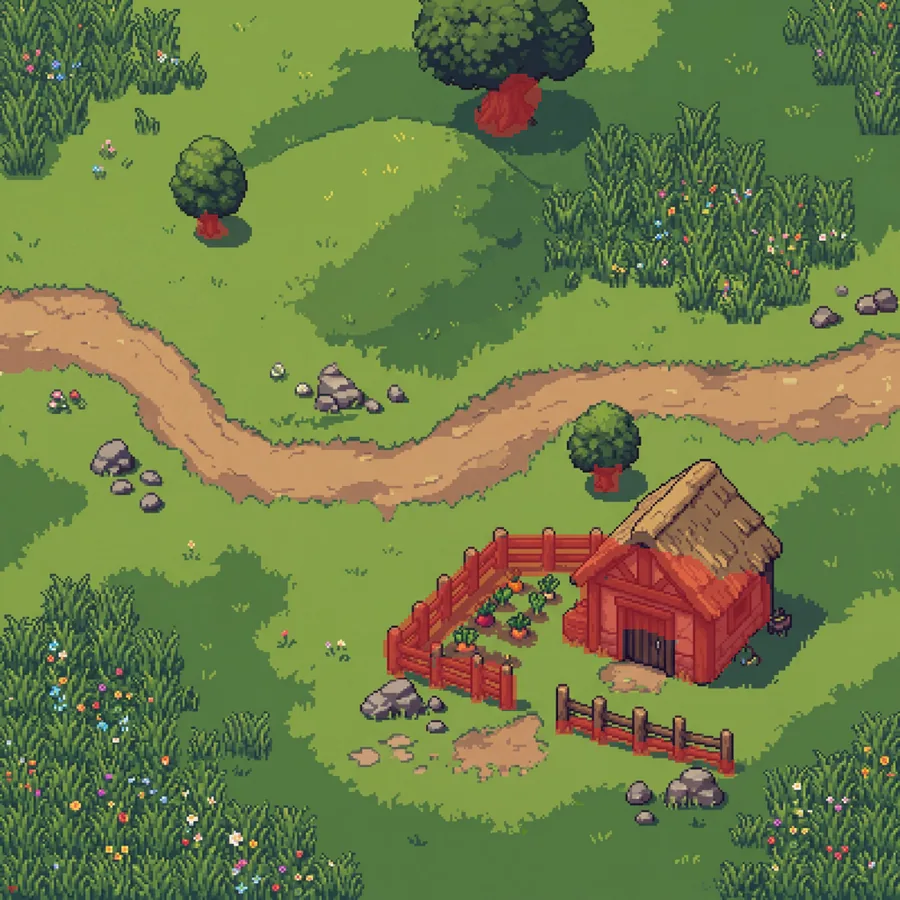
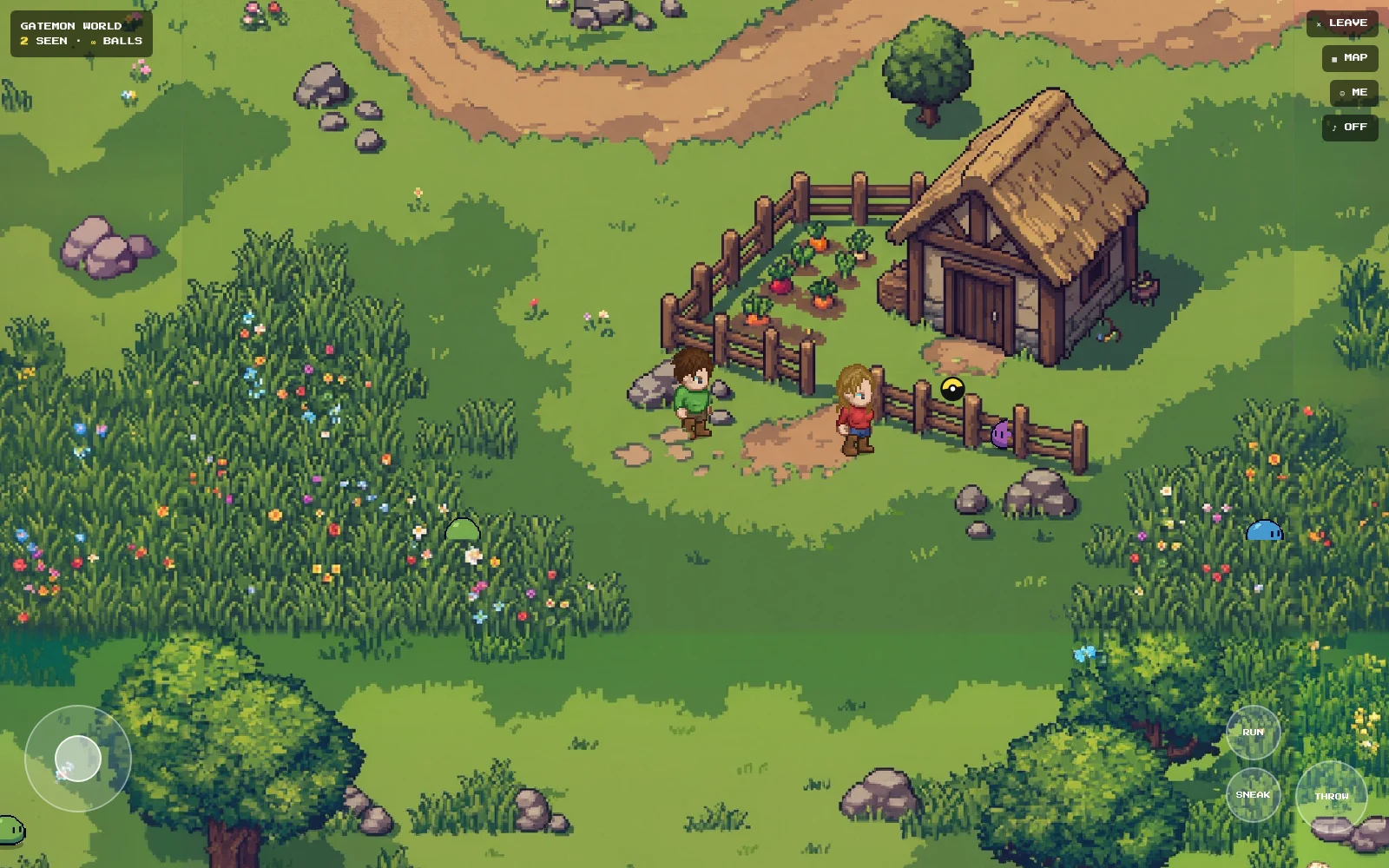
On my screen a small pixel hero walks along a dirt path. He passes a thatched cottage with a carrot garden, the grass gets taller, and a purple blob with two dash eyes hops out of sight. Further east the path ends in sand, the sea starts, and when he wades in the water rises to his hips.
The game is called GATEMON. You walk a world, you sneak up on a GATEMON, you catch it, and if you keep it, it becomes your own AI bot on GATE, the platform we build at Gate Intelligence.
I did not write a line of it. I directed the whole thing in one chat with Molly, my AI assistant on GATE. She drew the world, wrote the game and put it live. I looked at every picture before it went in, and when something was wrong, I painted the fix myself in an editor inside the game. This is how it came together.
One tile at a time
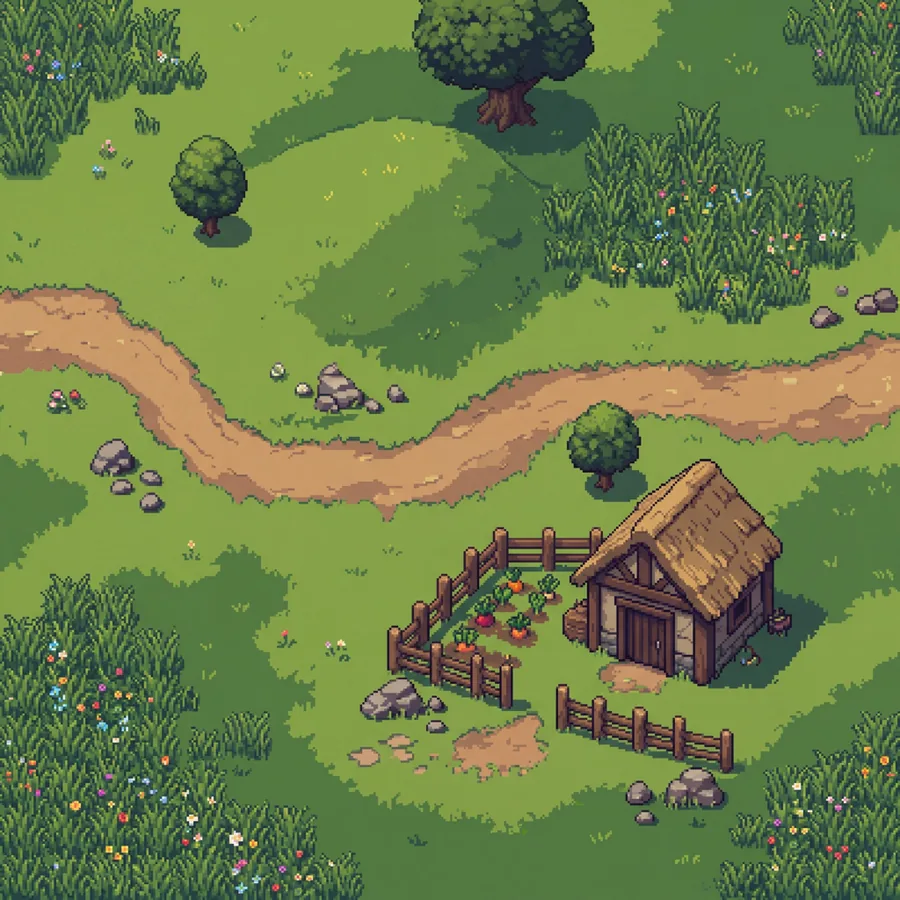
The world is built from square tiles. It started with a single one: grass fields, a path, a cottage, drawn in the style of a village picture I liked. Then the world grows the same way every time: the next tile is drawn next to one we already have.
That sounds easy and it is not. If you ask an image model for “the forest next to this field”, the path comes out in a different place and the grass is a different green. So every new tile is an outpaint:
- Keep the neighbour exact. GATE puts the facing quarter of the tile next door on a new canvas, pixel for pixel, and masks out the rest. The model only paints the empty part, and the kept strip comes back identical.
- Say sizes in pixels. My first forest came back with trees half the size of the ones on the start tile. I told Molly they were too small and we started over. Now the prompt says how big things are, measured on the first tile: a tree crown so many pixels wide, a house so many. A tree is about three player heights, a door about two. In the deep forest the trees get bigger on purpose.
- Fix the colours in code. The model paints the grass a little brighter every time. Molly shifts only the green pixels back to the first tile’s greens, fading out toward the kept strip, so the join disappears.
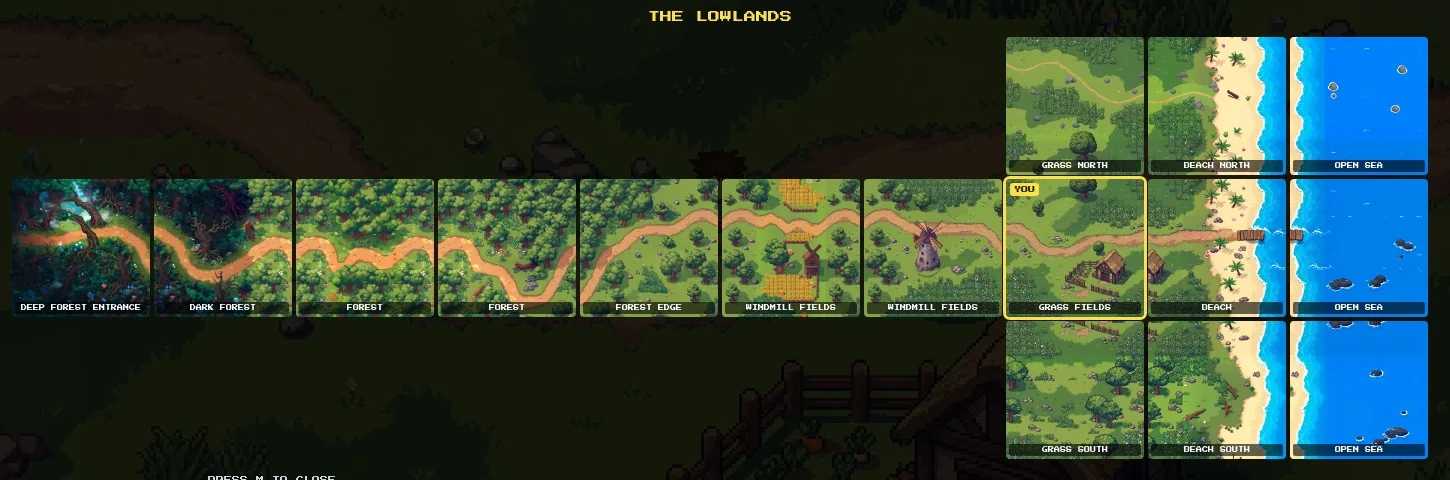
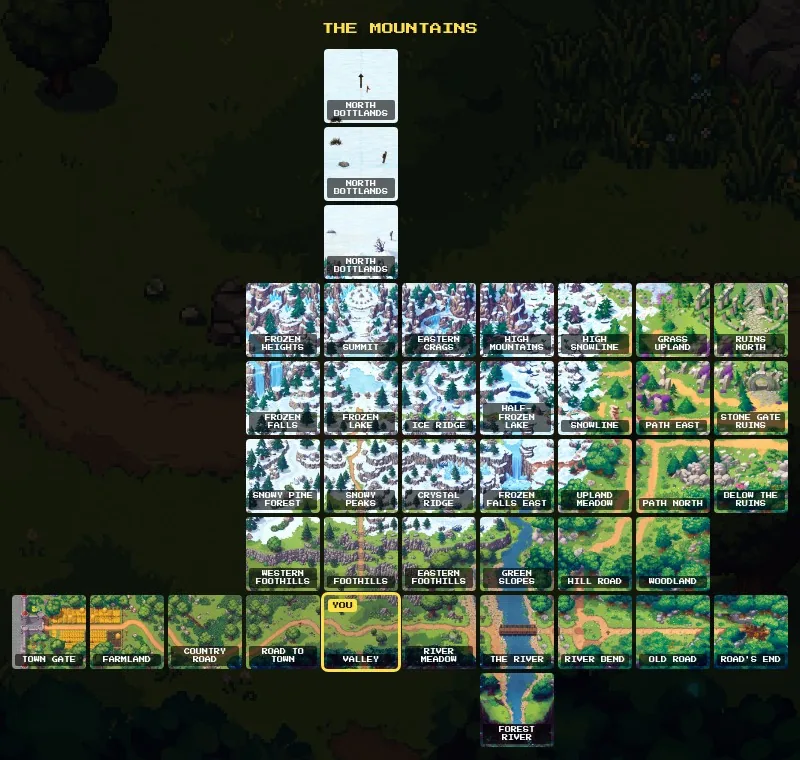
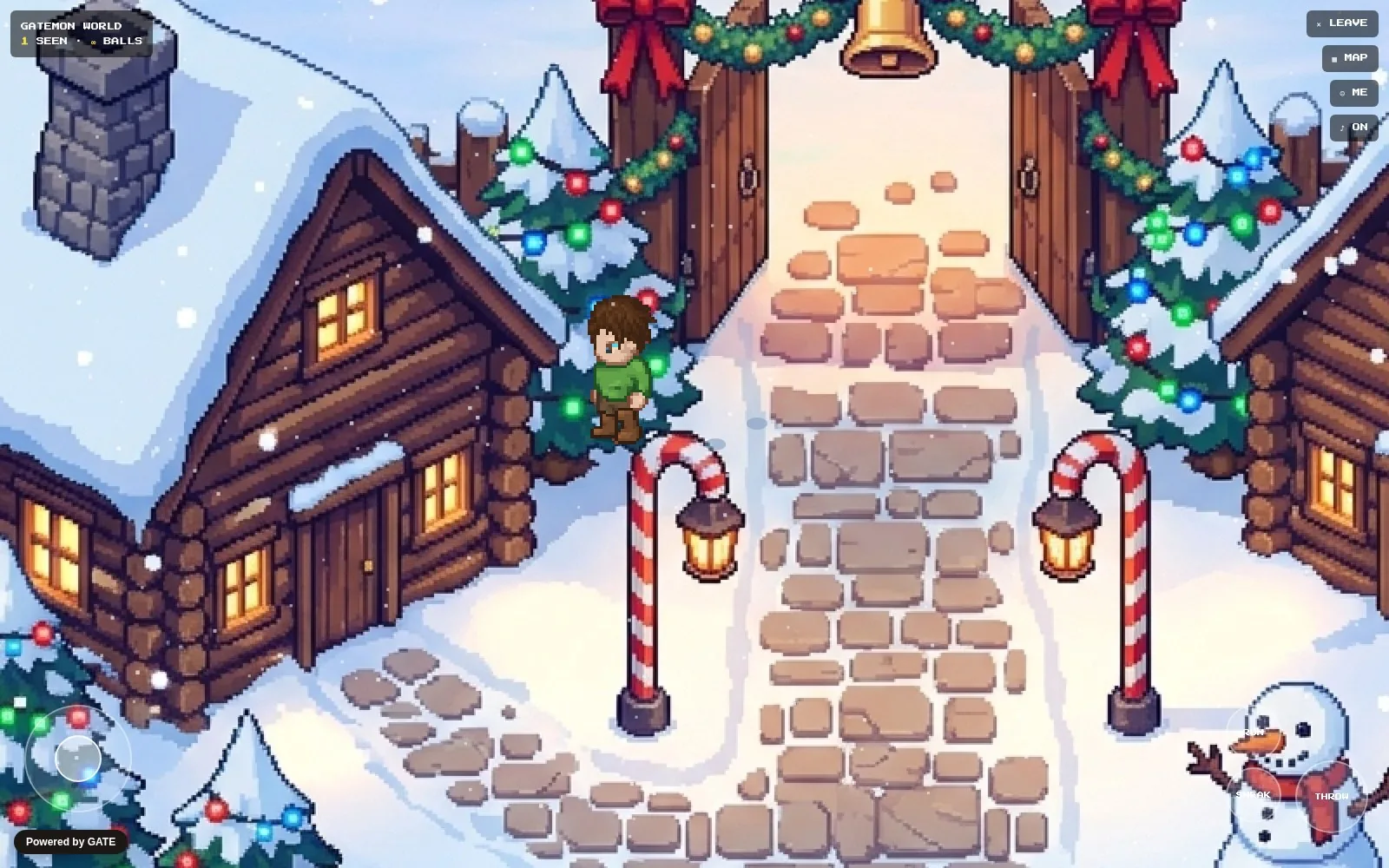
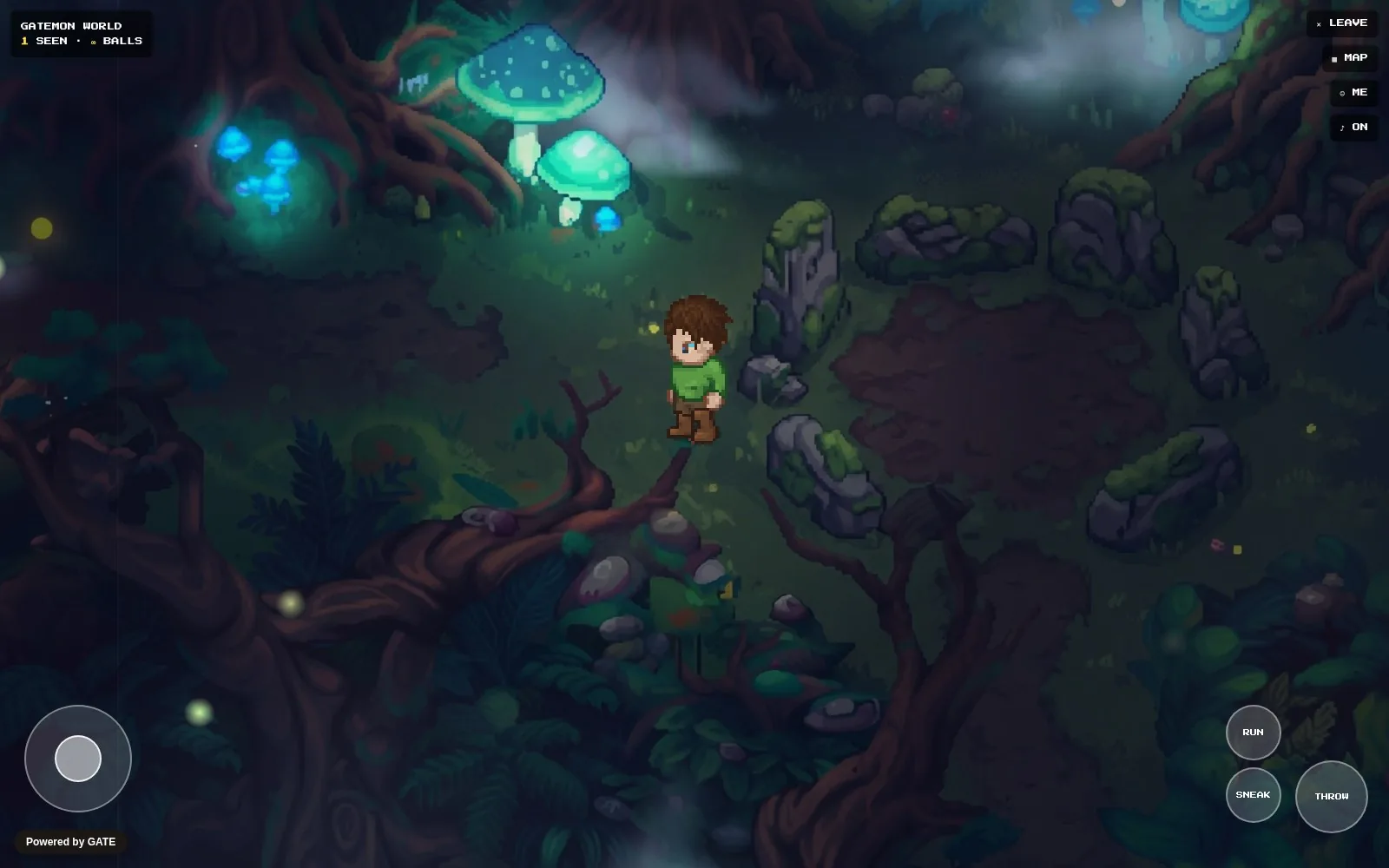
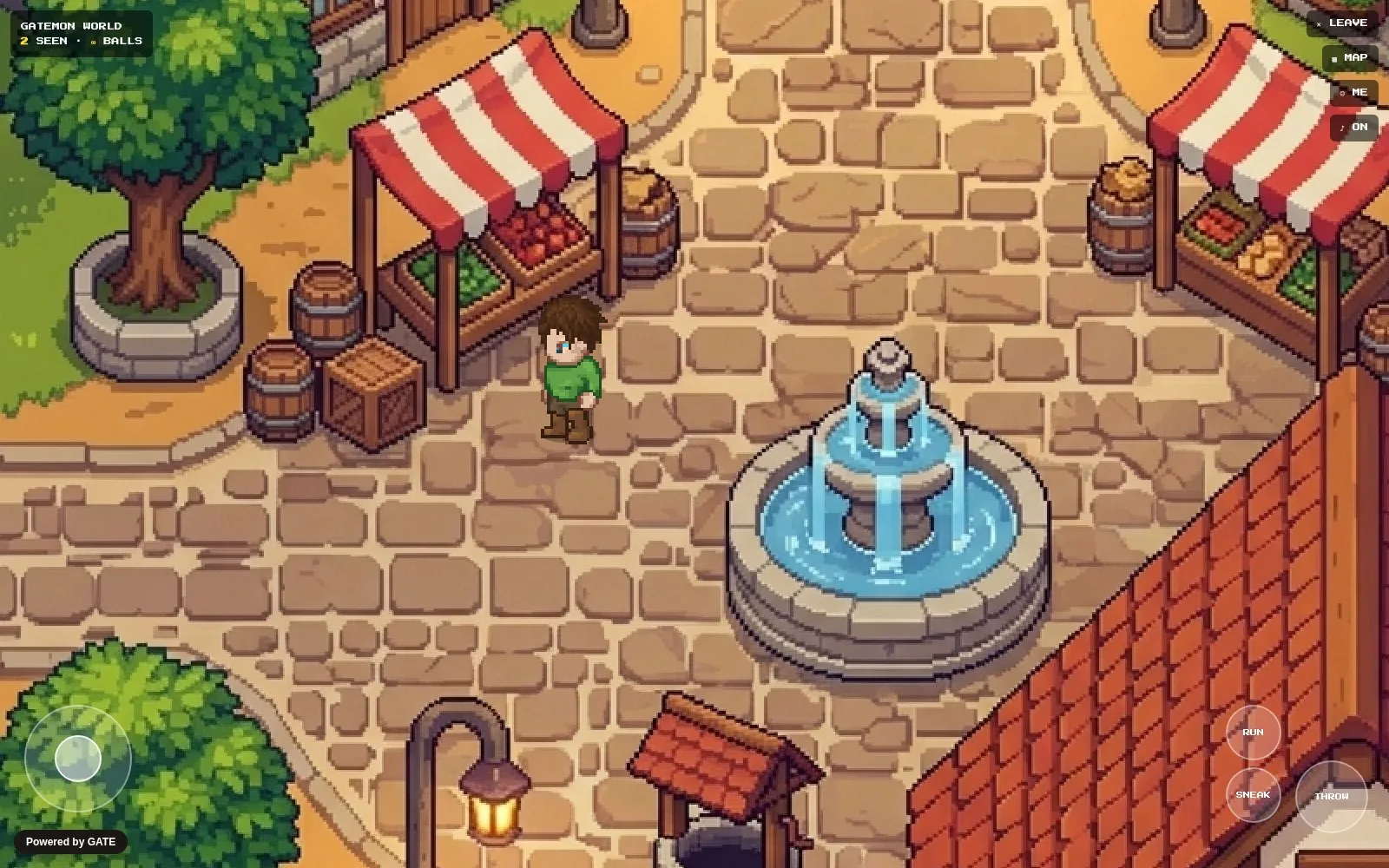
The world map in the game shows how far it has grown: lowlands from the deep forest out to the open sea, mountains with a frozen lake and a summit, a valley with a river, a town behind a gate, Santa’s village past a snowstorm, and a hidden fountain forest. 74 outdoor pictures, plus four rooms you can walk into.
I see every picture first
A picture costs tokens, and a wrong one costs a redo. So we made a rule: before Molly makes the maps for a new tile, it goes onto a numbered map page, marked for review, and I look at it.
That page is a GATE mockup, a web page Molly publishes in seconds. I click anywhere on it and pin a comment: “no path, just grass”, “make the path not go north”. Every comment lands in Molly’s chat with the spot I clicked, and she draws the next version.
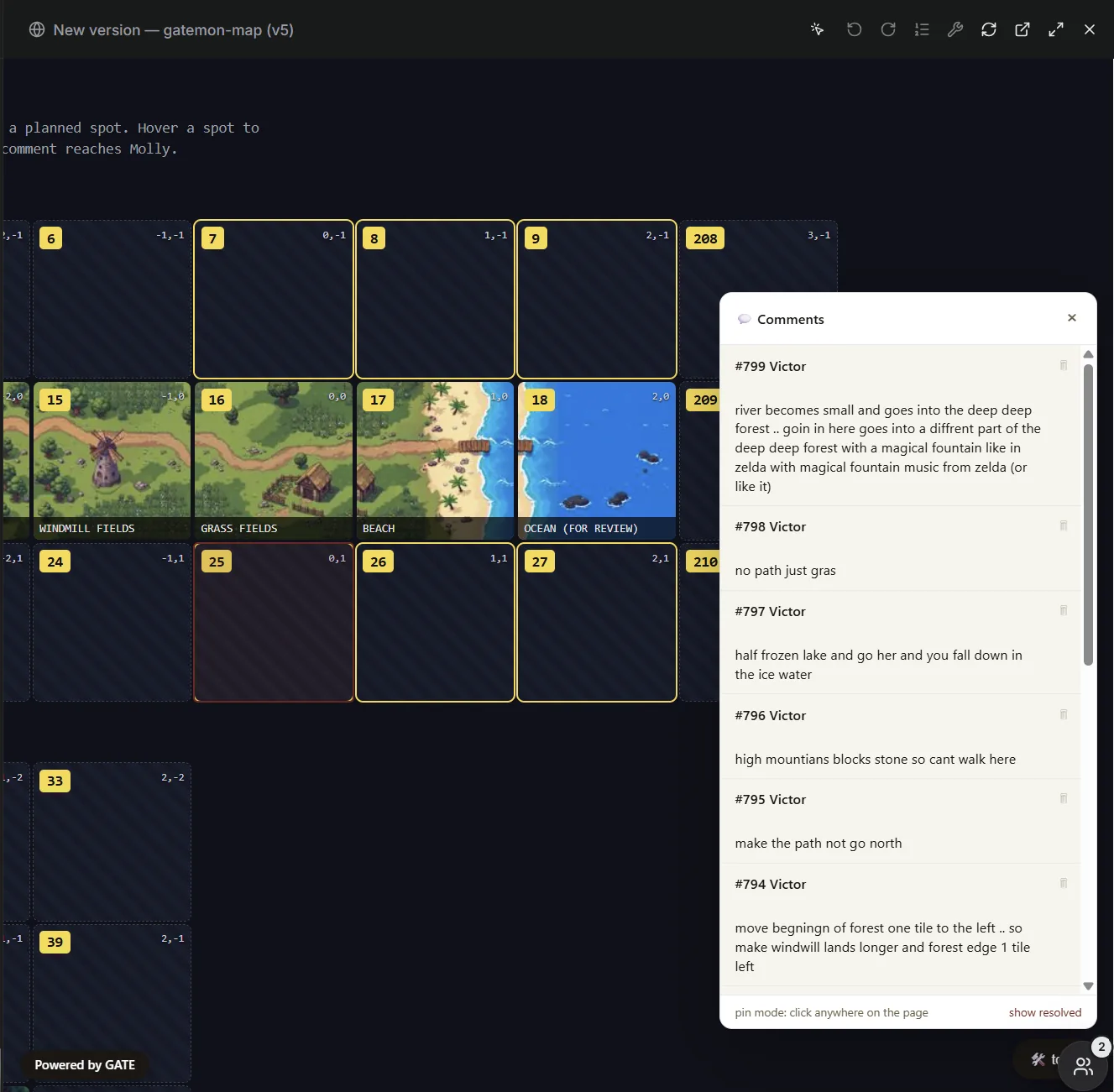
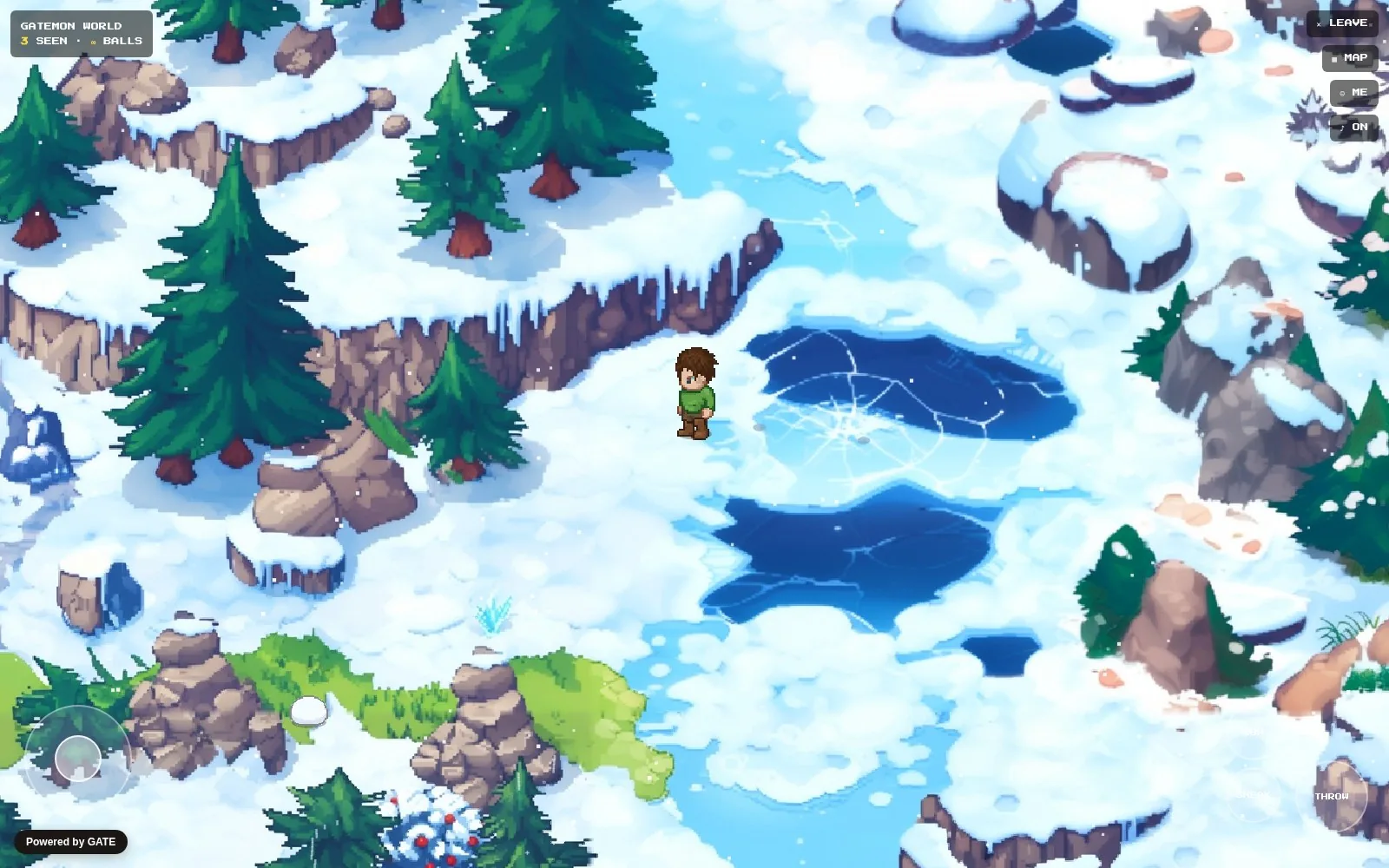
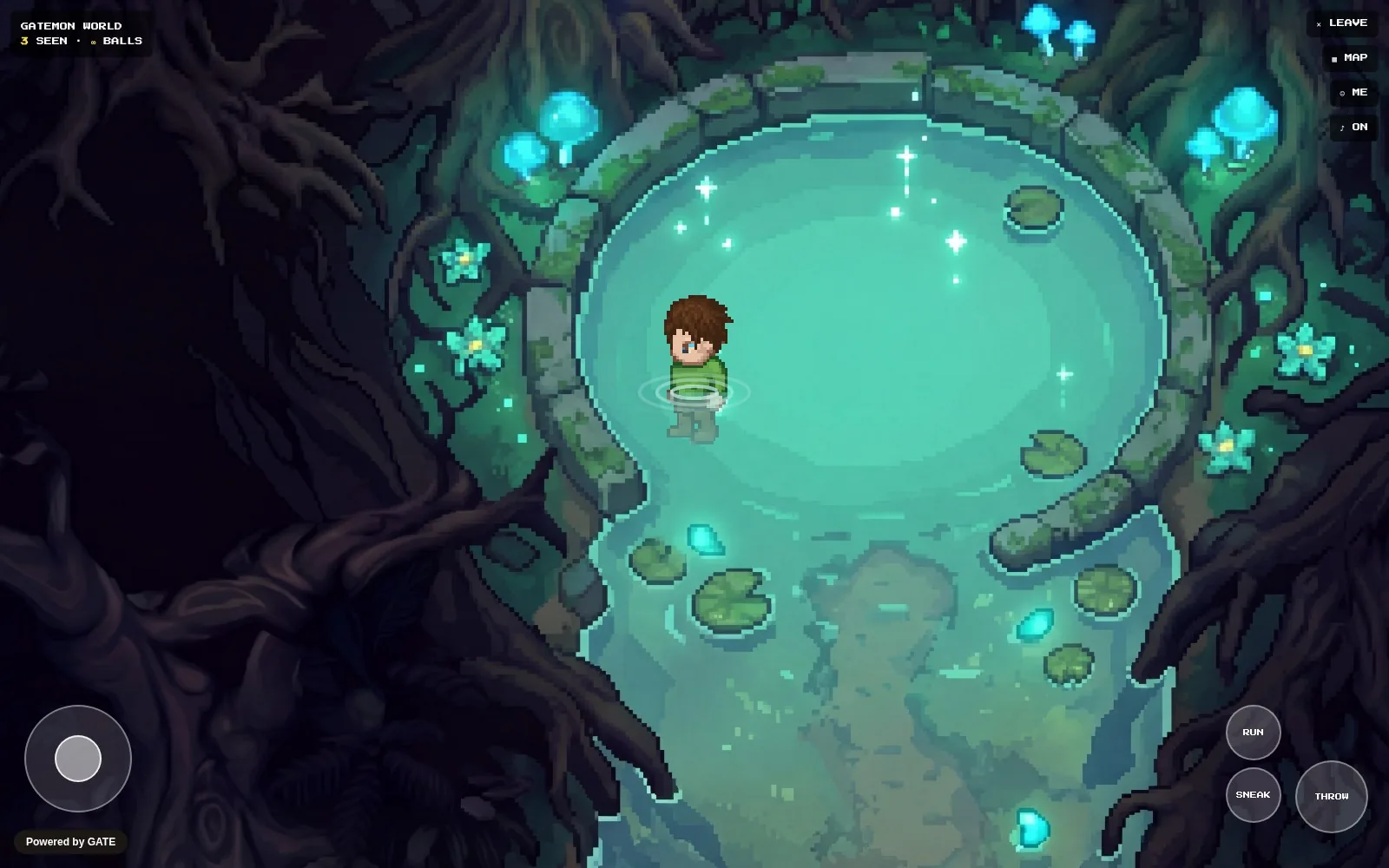
Some of my best ideas came from that page. “Half frozen lake and go here and you fall down in the ice water” is now thin ice that breaks under you. “River becomes small and goes into the deep deep forest … with a magical fountain” is now a giant tree arch where you wade up a stream to a glowing pool. That is how the first world was built. The new parts now come on autopilot, further down.
Walking behind things
A tile is a flat picture. The game has to know that you walk behind a tree and in front of the path, that you can hide in the tall grass, and that you cannot walk through a house. So every tile gets three maps painted over it:
- Depth map (blue): tall things like tree crowns, roofs and fences. You are drawn behind them.
- Grass map (green): the tall grass. Stand still in it and a GATEMON cannot see you.
- Walk map (red where you cannot go): trunks, walls, rocks, deep water.
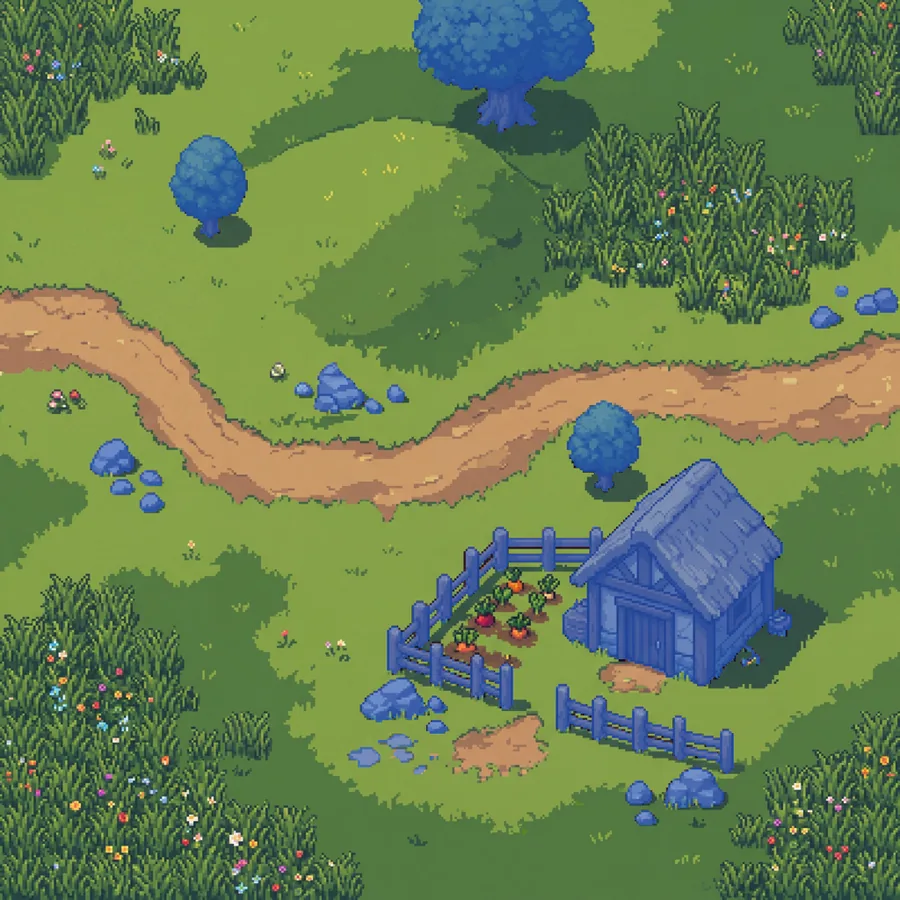
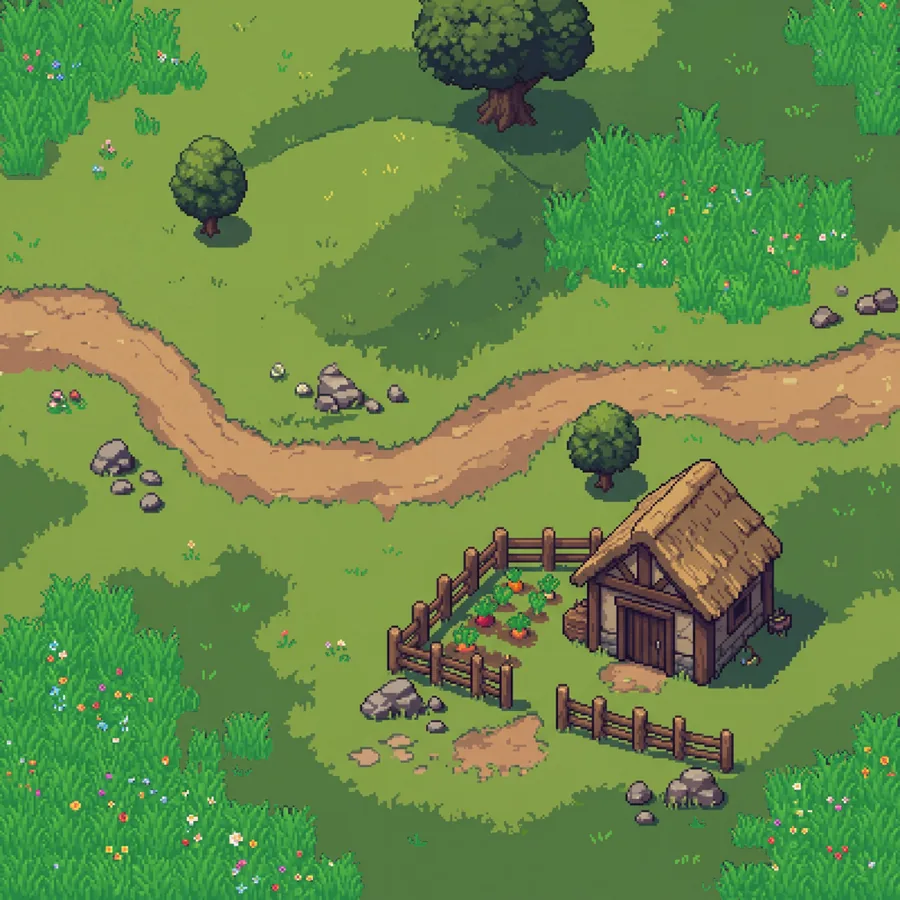
AI draws the first version of each map, and it is wrong about half the time: it marks a lawn as a wall or a pond as a tree. Molly checks every mask over its picture before it goes in, and cleans the bad ones in code. The water comes from the picture’s own blue: the game finds it, washes the sea up the shore and lets the sun glint on it.
An editor inside the game
The last fixes are mine. Open the game in edit mode and a panel appears on the right. Every map is a layer with its own switch, so I can show the walk map and the depth map together. I pick a colour, paint where it should be, and erase where it should not. In the doors layer I drag a box, pick where it leads, and click where you arrive.
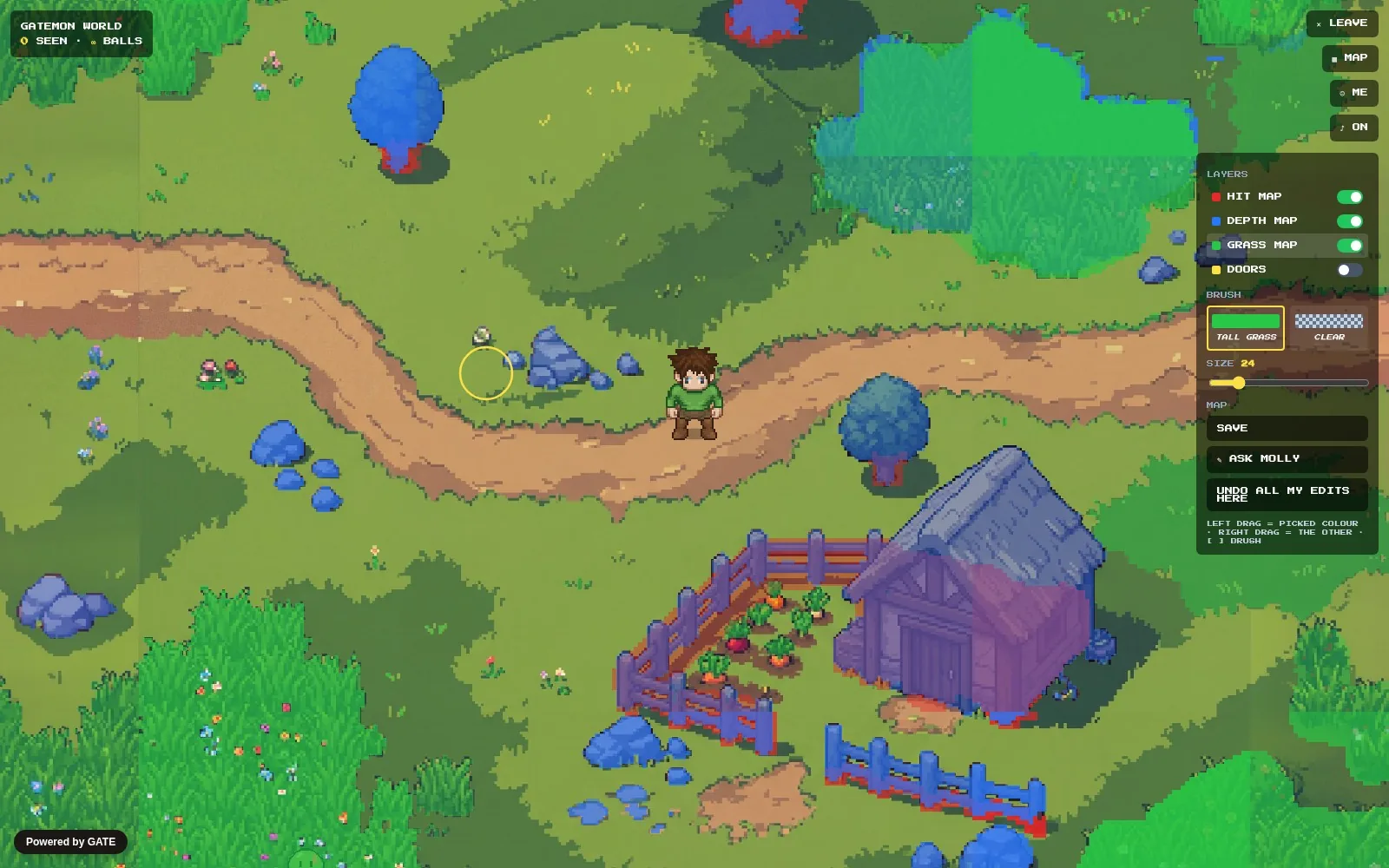
SAVE stores my maps on the game’s server, and they are live for every player at once. There is no file to send and nobody in between.
When a tile itself needs redrawing, I press ASK MOLLY and tap the spot on the map. The request goes through the GATE chat on the page into my chat with Molly: which tile, where, and what I want. Empty spots next to the world say “draw a new tile” and work the same way.
Catching a GATEMON
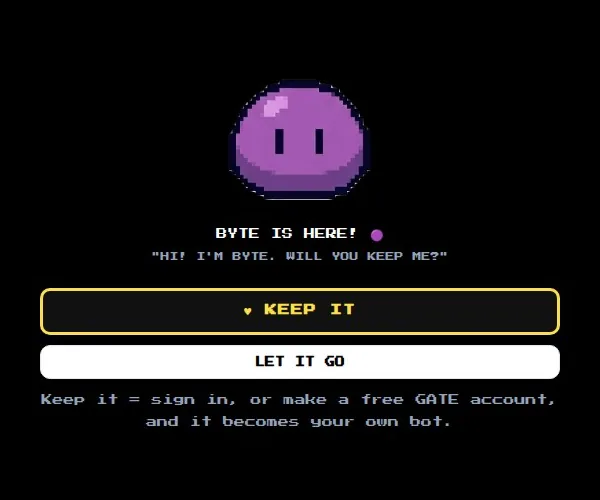
The GATEMON are round slimes with dash eyes, drawn in the same pixel style as the world. Each colour is a kind of bot: green is an assistant, purple a developer, orange a creative, blue an analyst. Silver ones in the hills and snow ones in the mountains are rare.
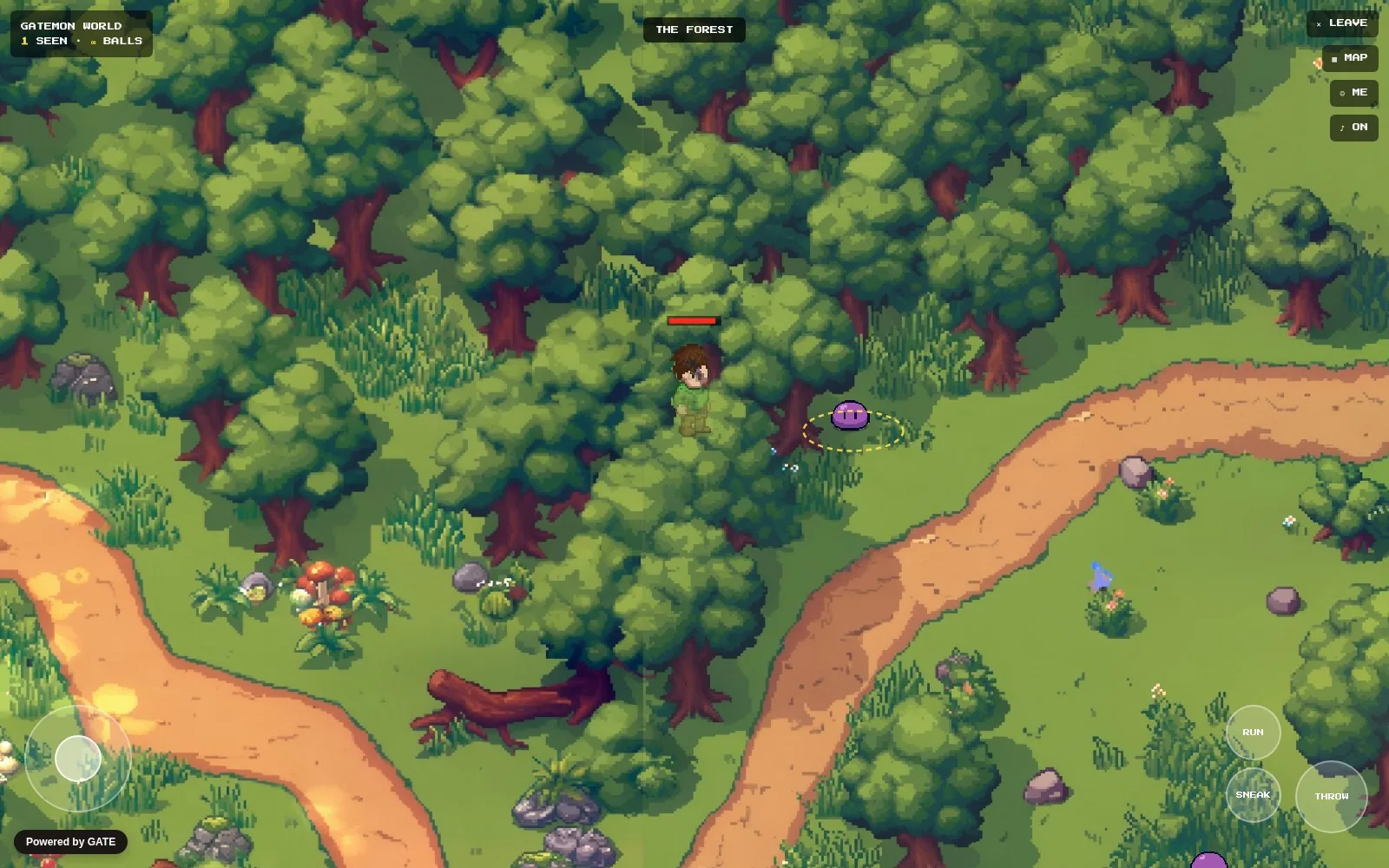
Catching one is a small game of hide and seek. They only see what is ahead of them, and very close they hear you. Standing still in tall grass or behind a tree hides you. Sneaking is quiet, running is loud. You hold the throw button to aim, a marker shows where the ball will land, and the throw is short, so you have to get close. The ball wobbles up to three times and can break free, and a GATEMON you scare twice runs away for good.
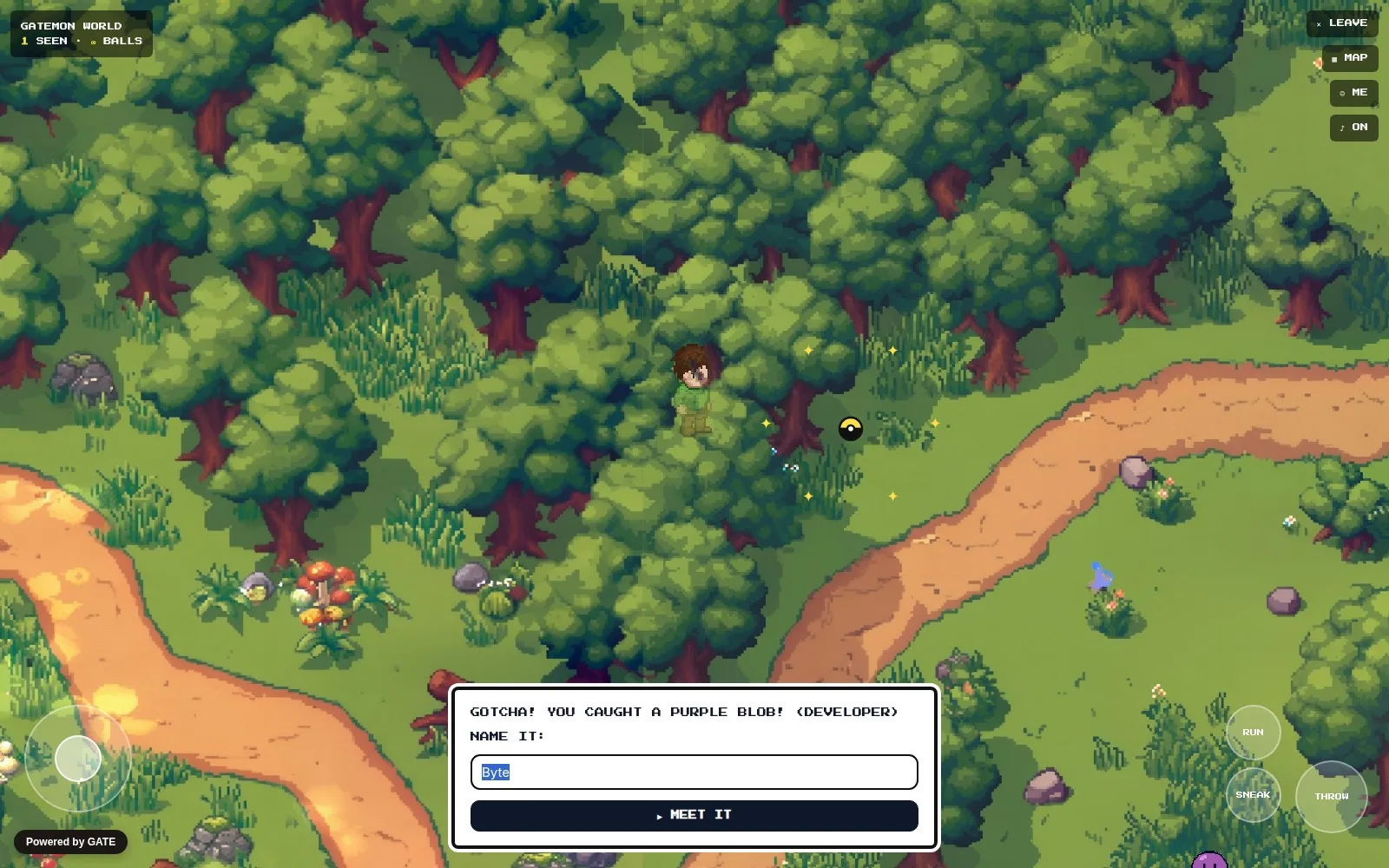
Then it says hello. Keep it means you sign in to GATE, or make a free GATE account, and the GATEMON becomes your own AI bot.
A world that feels alive
The small things make it a game:
- Music for every place. One track per land, made with Suno through GATE, crossfading as you walk. Inside a house the music plays muffled.
- Sound. Birds, waves, wind, the river, footsteps that change on snow, a creak at every door, and a little fanfare for a catch.
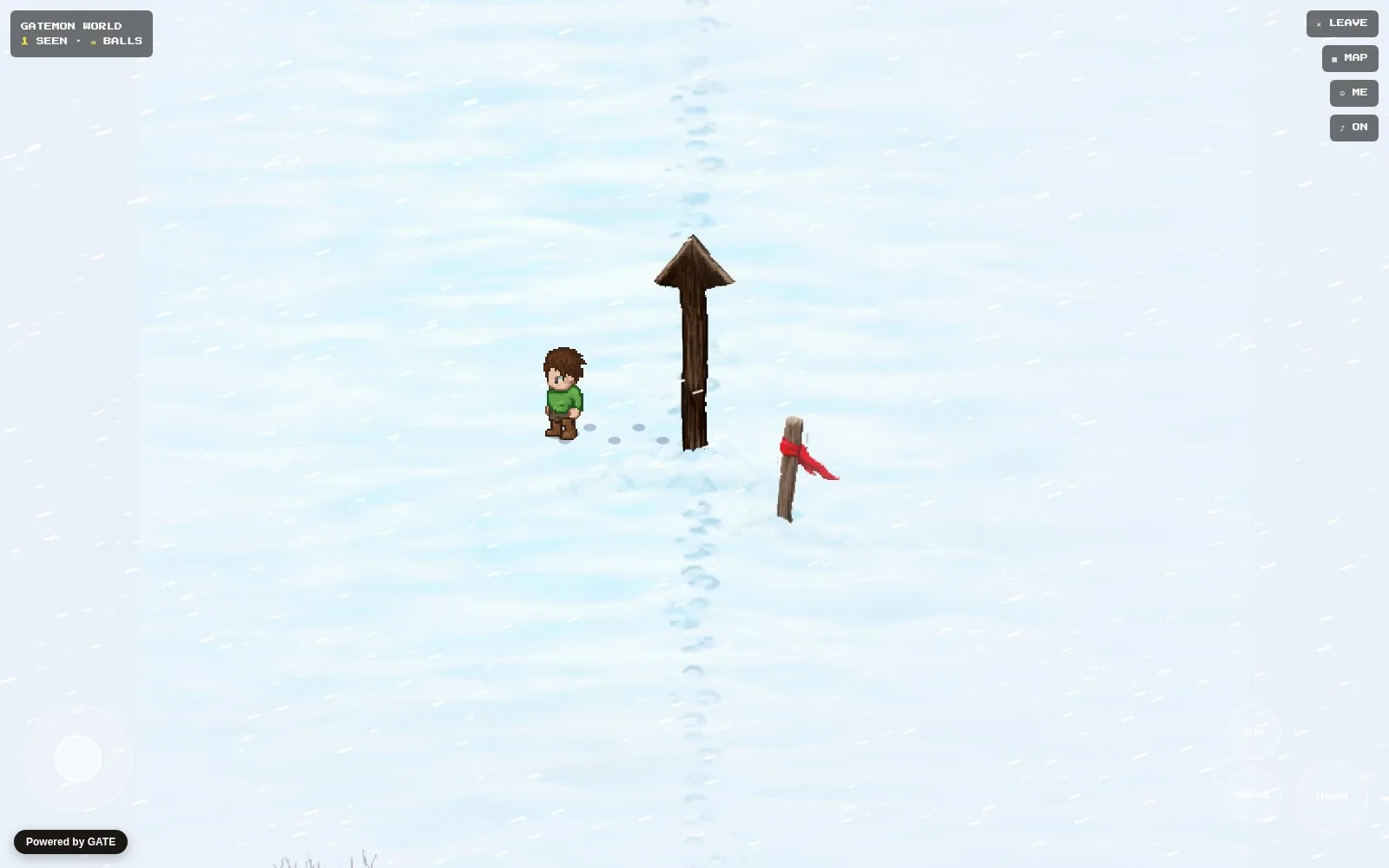
- Weather and ground. Falling snow, a blizzard on the storm plain, slippery ice on the frozen lake, boot prints in the snow that fill in again, smoke from Santa’s chimneys.
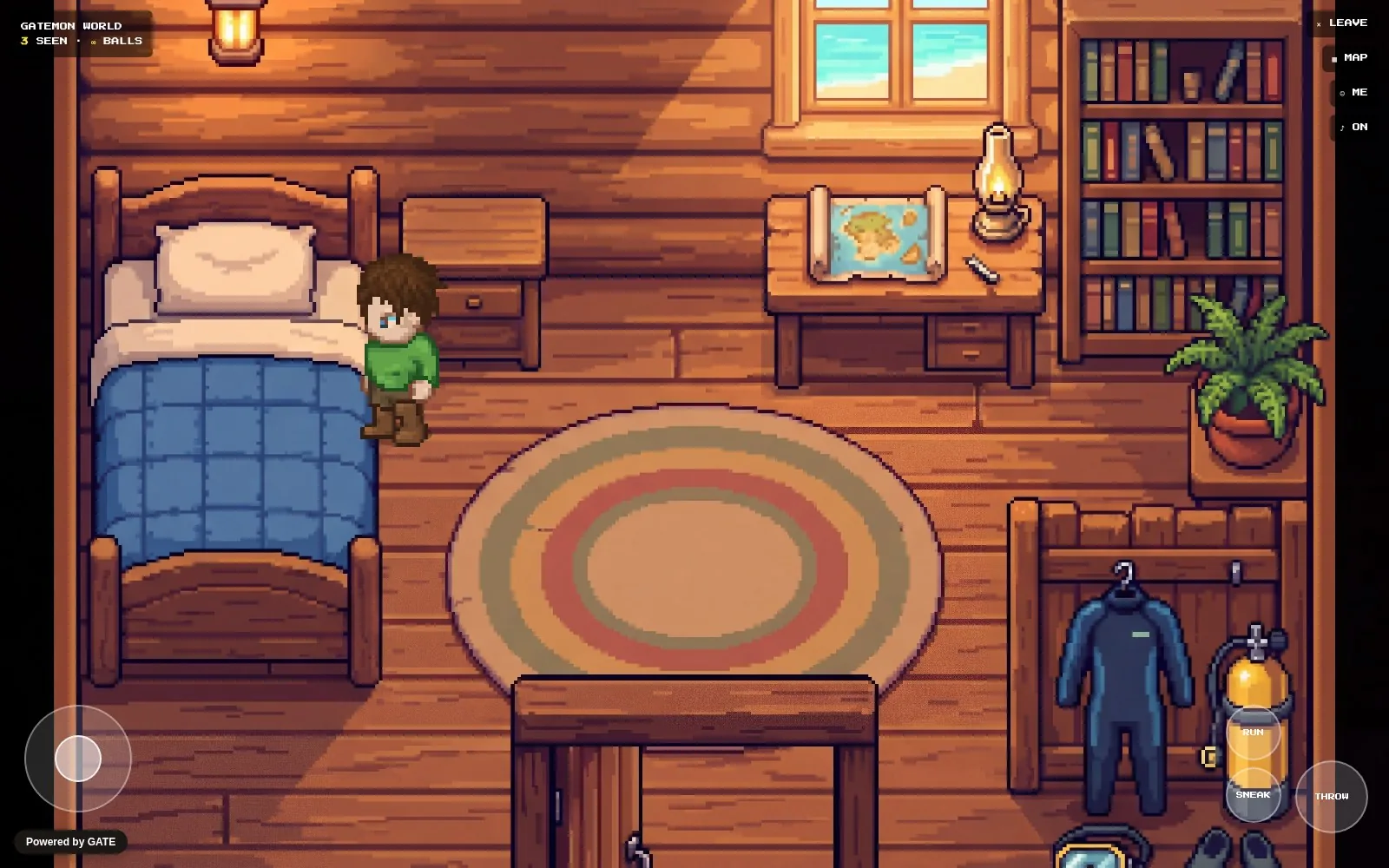
- Water. At the edge it is at your feet, further in it rises to your hips. Put on the scuba gear in your own house and you can dive into deep water.
- An intro film. After the GATE GAMES screen, a short pixel art film made with GATE Video.
People who talk back
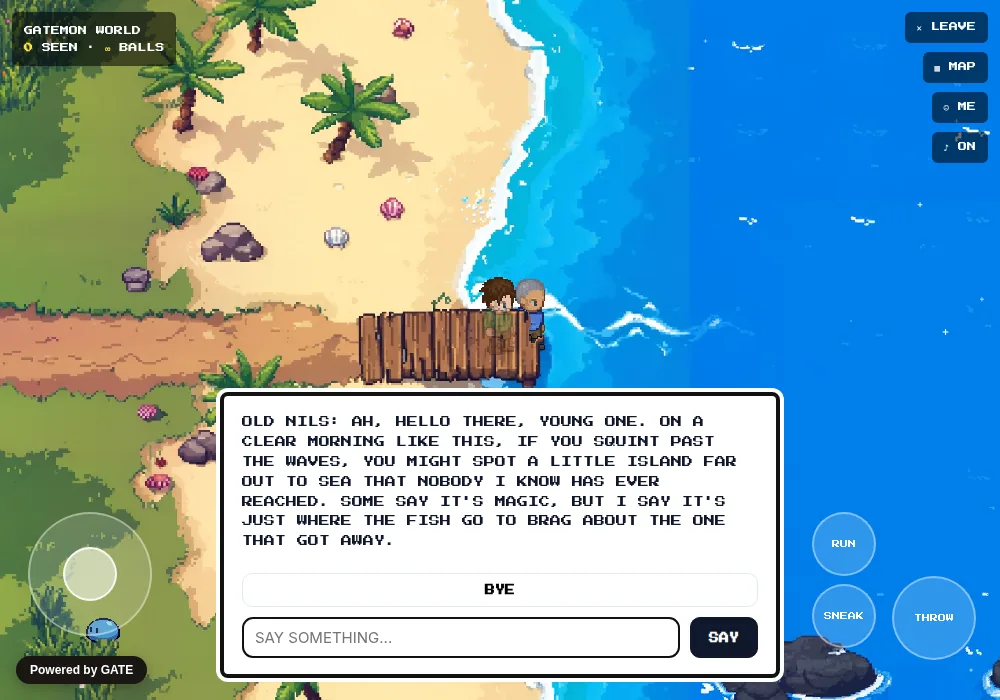
At the end of the beach pier stands Old Nils, an old fisherman. Walk up to him and a ! pops up over your head, like in the old Final Fantasy games. Press ACTION and you can type to him, and he answers in his own words, different every time. Ask about the island he keeps looking at, and he tells you a little more on each visit.
Nils is not a script. His answers come live from Gemma, the GATE chat agent that companies put on their own websites. The game talks to Gemma directly, without its chat bubble: it sends who you are talking to, where you stand and what you typed, and his reply streams into the speech box as he says it. Who he is lives in Gemma as a short character sheet, so the next person in the world is a paragraph to write, not a program to build.
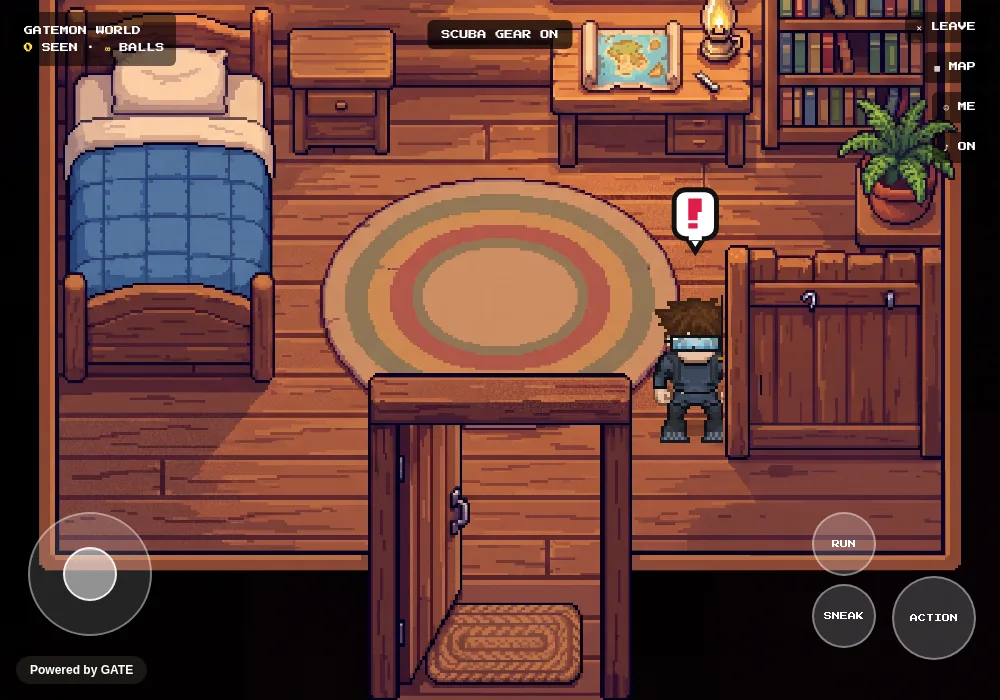
The same ! works on things. Walk up to the scuba gear in your house and it asks if you want to put it on. You come out in a black wetsuit, a diving mask with a snorkel, twin tanks and fins, all drawn in the same pixel style as the rest of the player, and the rack at home stands empty while you wear it.
Playing together
GATEMON is multiplayer. Everyone in the same place sees each other, each in the look they made, and everyone sees the same GATEMON in the same spots. When someone throws, the others see the ball fly, wobble and click shut. Two players can sneak up on the same one, and whoever’s ball lands first keeps it. Run past a GATEMON and it bolts for everybody, so you can also ruin your friend’s catch.
It all runs inside the game’s own server, with no extra service. In each place one player’s browser moves the GATEMON for everyone, and when that player leaves the next one takes over. The server decides who caught what, so two players can never win the same GATEMON. Your own house stays yours, and the scuba gear you find is saved only in your browser.
The world grows while I play
I like playing GATEMON. If I drew every new tile myself, I would know every corner before I walked into it, and the game would stop surprising me. So Molly runs on autopilot. On her own, around the clock, she picks a spot next to the world and extends it: new tiles and new lands, hidden places, houses you can walk into, caves, secrets, and new things to do. She draws the picture, makes its depth, grass and walk maps, puts it in the game and walks it before it goes live.
I do not see any of it first. I find it the way any player does, by walking somewhere I have not been. When something looks wrong, I tell her what I saw, and she fixes it.
Making it run on a phone
The first version crashed phones. A big world of sharp pictures is a lot of memory. Molly measured it and fixed it in code: smaller pictures on a phone with the same art, the depth pieces packed into a few shared sheets, and only what is on screen drawn each frame. The busiest place went from more than ten thousand draws a frame to about thirty, and the game now runs at 60 frames a second in our phone tests.
What I learned
- One tile is the source of truth. Every new picture starts from its neighbour, not from a prompt.
- Say what you mean in numbers. “Bigger trees” is a guess. A size in pixels is an instruction.
- Look before you spend. I see each picture on the review page before its maps are made.
- AI drafts, code finishes. The model draws, and code fixes the colours, the joins and the masks.
- Give the human a brush. Some fixes are faster to paint than to describe, so the game has its own editor.
What it cost
The world is 74 outdoor pictures and four rooms. A new 4K picture costs about 3,890 GATE tokens and an outpainted tile about 5,667, and some took a few tries. The music, the sounds and the intro film came out of GATE’s media tools too. Nobody wrote code by hand.
Play GATEMON and catch one. If you keep it, it becomes your bot.
GATEMON runs on GATE. The assistant is Molly. The ideas, and the painted maps, are mine.
Common questions
Can you make a pixel art game with AI without writing code?
Yes. Victor Wallander made GATEMON, a browser game where you walk a pixel art world and catch your own AI bot, without writing code himself. He directed it in one chat with Molly, his AI assistant on GATE. Molly drew every map tile with GATE's image tools, wrote the game, and deployed it as a GATE site. Victor reviewed each picture and painted maps in the game's own editor.
How do you make AI map tiles that join up without seams?
Each new GATEMON tile is an outpaint. GATE puts the neighbouring tile's facing quarter, pixel for pixel, on a new canvas and asks the image model to fill only the rest, so the kept strip comes back identical. Sizes go into the prompt in pixels, so trees and houses keep their scale. Molly then matches the greens to the first tile in code.
How does a flat AI picture let the player walk behind trees and houses?
Every GATEMON tile has three maps painted over it. A depth map marks tall things such as trees, roofs and fences, so the player is drawn behind them. A grass map marks the tall grass the player and the GATEMON hide in. A walk map marks where you can walk. GATE drafts them with AI, and Victor fixes them with a brush in the game.
What happens when you catch a GATEMON?
You sneak up, hold the throw button to aim, and the ball lands where the marker shows. It wobbles up to three times and can break free. A GATEMON you catch says hello and asks if you will keep it. Keep it means signing in to GATE, or making a free GATE account, and the GATEMON becomes your own AI bot.
How do you review AI game art before it goes into the game?
On GATE, every new GATEMON picture goes onto a numbered map page first, marked for review. Victor clicks anywhere on the page and pins a comment, such as 'no path, just grass', and the comment reaches Molly in the chat. Only after his OK does the picture get its depth, grass and walk maps and go into the game.
Can characters in a game talk with AI?
Yes. In GATEMON, Old Nils the fisherman answers whatever you type, live and in his own words. The game sends your line to Gemma, the GATE chat agent companies use on their websites, together with who you are talking to and where you stand. His personality is a short character sheet in Gemma, so adding the next character means writing a paragraph, not code.
Can you play GATEMON with friends?
Yes. GATEMON is multiplayer in the browser. Players in the same place see each other and the same GATEMON, see each other's throws and catches, and can race for the same one: the first ball that lands keeps it, and running past a GATEMON scares it away for everyone. It runs on the game's own server on GATE, with no account needed to play.
Can an AI keep building a game on its own?
In GATEMON, yes. Molly, Victor's AI assistant on GATE, runs on autopilot and extends the world around the clock: new tiles, lands, hidden places, houses, caves, secrets and things to do. She draws each picture, makes its maps, puts it in the game and walks it before it goes live. Victor plays it without seeing anything first, so the game keeps surprising him.
What did GATEMON cost to make?
The world is 74 outdoor pictures and four rooms, drawn with GATE's image tools. A new 4K picture costs about 3,890 GATE tokens and an outpainted tile about 5,667, and some tiles took a few tries before they were right. The music, sound effects and intro film came from GATE's media tools as well. No code was bought or written by hand.